Revolutionize Your Outdoor Setting: Professional Landscaping Guidance for an Exceptional Home Garden
Turning an exterior area into a beautiful residential landscape requires thoughtful strategy and deliberate action. By evaluating the features of a property, homeowners can establish specific landscaping goals. Selecting vegetation that match the regional conditions is essential. Furthermore, incorporating practical landscape features enhances both aesthetic value and usability. Yet, the process won't finish there. Learning how to sustain beauty and sustainability can bring any landscape higher. What approaches ensure long-term success?
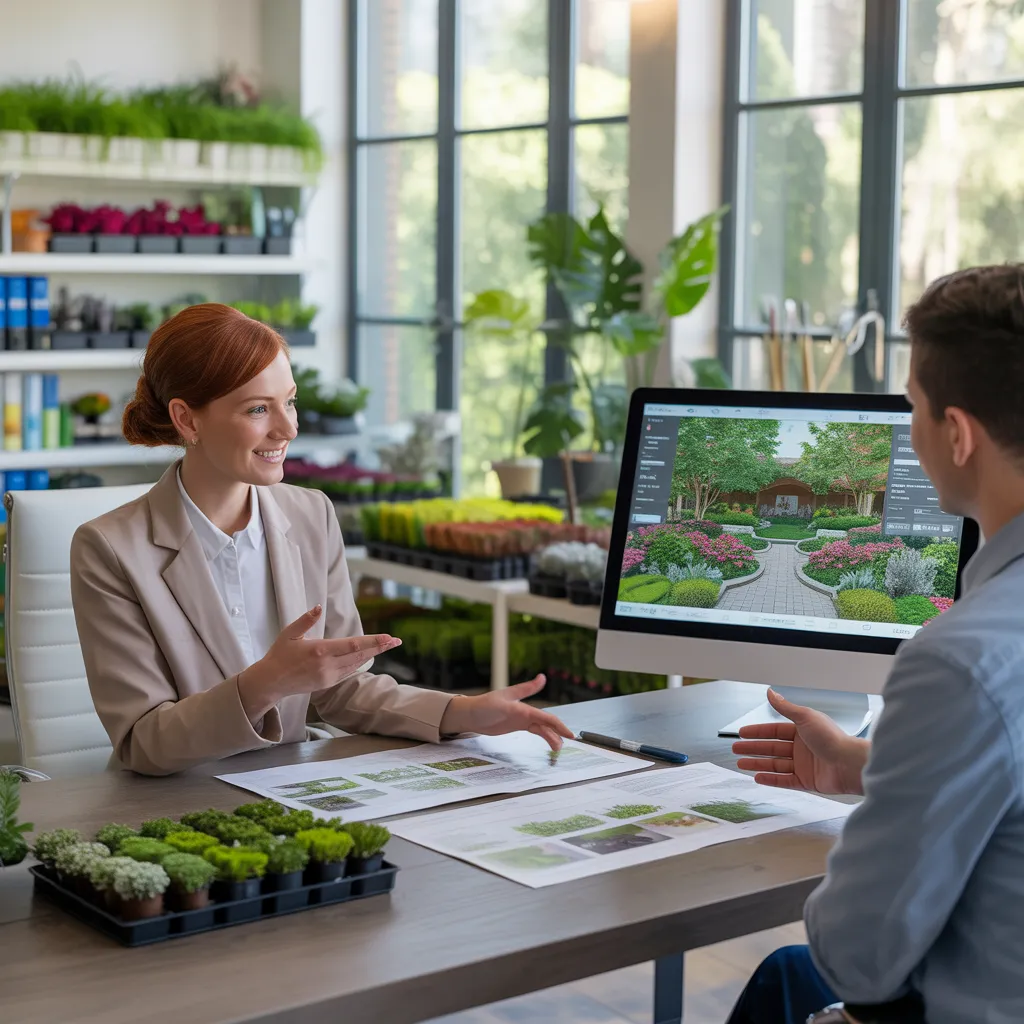
Evaluate Your Outdoor Area to Establish Your Garden Objectives
Before undertaking any landscaping project, it is essential for homeowners to completely assess their outdoor space. This initial evaluation enables them to understand the distinctive characteristics of their property, encompassing sun conditions, ground quality, and existing vegetation. Identifying these elements supports in establishing what types of landscape features and design can be successfully integrated into the area.
Homeowners should record dimensions and note any obstacles including vegetation, fences, or pathways that could influence the design. Additionally, recognizing personal preferences and living requirements—including areas for entertainment, gardening, or leisure—can guide the garden objectives. By specifically establishing these goals, homeowners establish a solid foundation for a cohesive and functional exterior space. This careful evaluation ultimately leads to a more successful and satisfying landscaping project, guaranteeing the exterior environment not only enhances the home's aesthetic but additionally satisfies the functional requirements of its residents.
Pick the Ideal Plants for Your Area's Weather
Determining the right plants for a specific climate is vital for establishing a thriving outdoor space. Grasping local weather patterns, such as temperature ranges, precipitation, and moisture levels, supports property owners select vegetation that will thrive. Indigenous vegetation often adapt most effectively, needing minimal upkeep and irrigation. For instance, water-efficient plants are ideal for dry climates, while moisture-loving species flourish in humid climates.
Gardeners should also take into account climate variations; choosing vegetation that offers continuous appeal enhances the garden. Early bloomers, warm-season vegetation, and vibrant fall foliage can produce a striking visual display. Moreover, speaking with regional nurseries or extension services can provide valuable insights into hardy plant varieties adapted for specific conditions.
Finally, a strategically designed plant selection enhances not just visual appeal but additionally supports native fauna and promotes environmental sustainability, making it a wise choice for any outdoor space transformation.
Transform Your Garden With Functional Hardscaping Components
Functional hardscaping elements serve as vital components in structuring exterior environments and boosting their practical value. By integrating sitting zones and well-designed pathways, homeowners can create inviting environments that encourage relaxation and movement. Additionally, edging can define different zones within the garden, establishing layout and visual interest.
Define Your Exterior Space
Creating a carefully organized outdoor space can renovate a yard into an pleasant sanctuary. One effective approach to achieve this is through functional hardscaping elements, which provide organization and arrangement. Pathways made from natural stone or brick guide guests while adding visual interest. Retaining barriers can form tiered levels, enhancing the garden's overall design and preventing soil degradation. Fencing or trellises can mark borders, providing privacy and a feeling of privacy. Adding elevated planting zones not only establishes growing zones but also makes them more accessible. These elements work together to form separate areas that improve both visual appeal and practical use. Ultimately, a clearly structured outdoor space fosters a serene environment where homeowners can unwind and appreciate the outdoors.
Add Resting Zones
Incorporating seating areas into an outdoor space greatly improves its functionality and appeal. By adding practical hardscape features, homeowners can establish welcoming areas for rest, gathering, or appreciating the outdoors. Choices range from benches, outdoor furniture, or hanging seats, each contributing to the garden's aesthetic and comfort. Thoughtfully positioning chairs near key areas like garden displays or fountains, encourages users to engage with their environment. Additionally, using materials like stone or wood can match the landscape's style, ensuring a cohesive look. Overhead coverings, such as pergolas or umbrellas, provide comfort during hot seasons, making these areas usable year-round. Ultimately, well-designed seating areas transform an ordinary garden into a welcoming retreat for loved ones and guests.
Add Pathways And Borders
Walkways and borders serve as vital aspects in landscape design, moving guests around the garden while boosting its design quality. These create movement and structure, helping distinguish distinct areas and botanical selections. Stone, brick, or gravel selections can build permanent walkways, and borders made with landscaping or decorative screens increase visual interest. Exploration is facilitated by passages, which showcase features like planting zones or water elements. Properly maintained borders reduce invasive vegetation and ground erosion, supporting garden longevity. Adding pathways and borders boosts usability and increases aesthetic beauty in your outdoor space, creating spaces that are more inviting and satisfying.
Establish Flow With Walkways and Resting Places
A well-designed outdoor space often features a harmonious flow achieved through thoughtfully placed pathways and seating areas. Pathways guide visitors through the garden, creating a clear sense of direction while enhancing the overall aesthetic. Using materials like stone, gravel, or wood can contribute to the pathway's visual appeal and guarantee durability.
Sitting spaces create pause areas, inviting guests to sit and value the surroundings. Positioning seating strategically beside focal features, like a waterfall or a flower display, promotes involvement with the garden. Your seating preference—benches, chairs, or even lounges—influences the vibe, whether casual or sophisticated.
Blending pathways and seating zones creates an appealing atmosphere, improving practicality and satisfaction. Used together, they form a fluid movement across multiple regions of the garden, inspiring wandering and peace, finally converting any outdoor location into a serene hideaway.
Enhance Your Landscape With Seasonal Hues and Variety
To boost the decorative value of a garden, strategic selection of seasonal species is vital. Mixing contrasting surface qualities can establish dimension and appeal, while intentionally positioned centers of interest can grab focus and establish a harmonious arrangement. These components in combination promise a vibrant and active outdoor area across the year.
Pick Seasonal Plants Deliberately
Picking season-specific plants carefully can transform any garden into a vibrant tapestry of color and texture. By opting for plants with varied blooming seasons, gardeners can guarantee a continuous display of beauty. Spring bulbs, summer annuals, autumn bloomers, and winter evergreens each provide distinctive colors and silhouettes to the landscape. It is essential to take into account local climate conditions and soil types, as well as the plants' development requirements. Native species often thrive better and require less maintenance, enhancing biodiversity. Additionally, combining plants with varying heights and bloom times can produce a striking visual impact. Ultimately, deliberate plant selection fosters a garden that evolves with the seasons, offering a delightful experience year-round.
Create Textured Layers For Visual Depth
Generating garden depth involves layering textures that complement and enhance seasonal color. By combining various plants with diverse leaf configurations, scales, and palettes, one can achieve a visually dynamic landscape. For instance, the use of broad-leaved plants alongside fine-textured grasses can produce visual contrast and allure. Additionally, integrating bark, stones, and other natural materials introduces tactile elements that strengthen the garden experience. Seasonal blooms should be strategically situated to provide bursts of color throughout the year, keeping every layer visually appealing. This strategic plan not only captures attention across the landscape but also fosters an immersive atmosphere where every detail contributes to the garden's beauty and harmony.
Include Focal Points Strategically
Strategically incorporating key visual elements can significantly improve a garden's aesthetic appeal and seasonal vibrancy. These key elements function as visual anchors that guide attention and unify the space. Gardeners can use elements such as sculptures, ornamental trees, or vibrant flower beds to establish visual interest. Seasonal color can be incorporated through the careful selection of plants that bloom at different times, ensuring that the garden remains dynamic throughout the year. Textures also play a significant role; mixing sleek pathways with textured bark or verdant leaves creates dimension. By thoughtfully placing these elements, a gardener can create an inviting atmosphere that encourages exploration and appreciation, transforming an outdoor space into an engaging retreat.
Implement Green Approaches to Foster a Healthy Garden
Adopting environmentally-conscious approaches is vital for cultivating a thriving garden that develops in sync with the environment. Plant growers are recommended to employ local botanical species, which demand less water and attention el cajon top landscaping while strengthening regional fauna. Using chemical-free growing methods, including organic waste management and biological insect control, can substantially reduce synthetic chemical use, promoting a more robust ecosystem.
Water conservation methods, such as targeted watering systems and rainwater harvesting, boost sustainability by maximizing resource efficiency. Using mulch layers not only maintains water additionally prevents unwanted plants, lowering the demand for weed killers. Additionally, promoting biological diversity by incorporating varied vegetation promotes strength to harmful organisms along with pathogens.
Soil quality is essential; methods such as crop cycling and cover crops keep soil nutrients excluding synthetic fertilizers. Through implementing such environmentally-conscious strategies, horticulturists can develop a flourishing environment that nurtures plant life and the environment, producing an enhanced gardening experience.
Manage Standard Issues for Continuous Garden Beauty
A carefully-tended garden can experience many obstacles during all seasons, influencing its total visual appeal plus health. Common issues include pest issues, nutrient shortages, plus limited water. Recognizing pests in advance is critical; gardeners should frequently check foliage for injury marks and treat infestations employing natural pesticides or instead bringing in helpful insects.
Nutrient deficiencies commonly display as discolored leaves as well as limited growth. Doing soil examinations can help determine individual needs, enabling for strategic fertilization Lacking minerals often manifest as discolored leaves and limited growth. Doing soil analysis can enable pin down individual necessities, allowing targeted fertilization bringing back stability. Additionally, ensuring adequate water supply is vital; excessive watering can result in root rot, while too little water stresses vegetation.
Seasonal changes additionally necessitate changes to upkeep. Throughout winter, mulching safeguards roots against frost, while summer might call for more water along with shade to protect tender plants. Through addressing these frequent challenges promptly
Should I Handle Landscape Projects on My Own or Employ a Landscaper?
It is possible to handle garden work independently, tapping into web-based guides and original ideas. However, employing a specialist guarantees expertise, effectiveness, and improved output, notably for intricate layouts or substantial jobs that call for specialized skills.
What Implements Do You Need for Residential Landscaping?
Required items for yard landscaping contain a leaf rake, spade, digging tool, trimming shears, garden fork, and a irrigation hose or water can. These items enable in effectively maintaining soil, plants, and overall garden maintenance, delivering professional landscaping.
What Strategies Should I Apply to Preserve My Landscape Throughout the Seasons?
For caring for a garden across the seasons, you should consistently shape garden plants, use mulch for thermal protection, monitor hydration levels, and implement seasonal planting approaches. In addition, pest management and fertilization are vital for vigorous, healthy vegetation.